
GARUDA DI LAUTKU
Human and Ecological Harmony
WE ARE GARUDA DI LAUTKU INITIATIVE LOCATED IN SURABAYA, INDONESIA

BLUE FOREST
Mangroves, seagrasses, coral reefs and tidal marshes, represent a critical interface between marine and terrestrial ecosystems, they are not only biodiversity hotspots however also offering nature-based solutions. Blue Forest is the ecological foundation of the Blue Economy, providing environmental services such as carbon sequestration, coastal protection, and livelihoods for coastal communities.
BLUE FOOD
Blue food refers to edible resources derived from aquatic environments, including fish, seafood, seaweed, and algae. In essence, it encompasses food harvested from oceans, rivers, and lakes, whether wild-caught or farmed. Blue food production generally exerts a lower environmental impact: wild seafood does not require land or freshwater inputs and generates fewer pollutants. Overall, the carbon emissions associated with seafood are significantly lower compared to those from red meat production, making blue food a more climate-resilient and sustainable source of nutrition.
Blue food is essential to the future sustainability of both humanity and the planet. With the global population projected to reach 10 billion by 2050, it is imperative that we identify ways to nourish a growing population without exacerbating our carbon footprint. Aquatic foods sourced from oceans, rivers, and lakes will play a critical role in this effort. On average, seafood offers significantly higher nutritional value than land-based animal proteins. In many countries, small fish remain among the most affordable and nutrientrich sources of protein, contributing meaningfully to food security and public health.
The global action agenda for food systems must embrace the priorities of sustainable blue food systems as outlined in Sustainable Development Goal (SDG) 14. This includes ending harmful and excessive fishing practices, reforming subsidies to support the conservation and restoration of productive marine and coastal ecosystems, and ensuring that small-scale fishers have equitable access to resources and markets. Blue food can play a pivotal role in advancing the Sustainable Development Goals by contributing to healthier, more sustainable, and more equitable food systems—both globally and within communities most vulnerable to climate challenges and food insecurity. Blue Food has been identified as a strategic output of Indonesia’s National Blue Agenda, forming a key target within the Medium-Term National Development Plan (RPJMN) 2020–2024. As part of the country’s broader commitment to sustainable ocean-based development, Blue Food initiatives aim to strengthen food security, enhance coastal livelihoods, and promote environmentally responsible aquatic food systems. This integration reflects Indonesia’s recognition of the ocean’s central role in achieving inclusive growth, ecological resilience, and long-term national prosperity.
BLUE CITIZEN
The concept of “Blue Citizen” is emerging as a transformative paradigm within global ocean literacy and sustainability movements. Amid increasingly complex ecological and social challenges, it calls upon individuals not merely to understand the ocean, but to actively participate in its stewardship. Initiatives such as APEC, EU4Ocean, and UNESCO offer complementary frameworks, ranging from interdisciplinary education to democratic engagement and ecological justice. While definitions may vary across contexts, the underlying principle remains clear: to be a Blue Citizen is to be a guardian of the ocean, a catalyst for change, and a driver of cross-sectoral collaboration.
“Blue Citizen” was first introduced in 2019 by the APEC Marine Sustainable Development Center and the Third Institute of Oceanography, under the Ministry of Natural Resources of China. This idea emerged from a growing recognition that global ocean challenges cannot be addressed by government regulation alone, they require the active participation of citizens who understand, care for, and act in support of ocean sustainability. In 2022, funding from the APEC Support Fund marked a pivotal step in expanding the reach of this initiative. The official launch of the Blue Citizen Initiative has since served as a catalyst for cross-economy collaboration within APEC, strengthening ocean literacy and mobilizing collective action in response to the escalating ecological crisis.
An ocean-literate citizen recognizes that the relationship between humans and marine ecosystems is not merely geographical, but also spiritual, social, and ecological. Such a citizen actively seeks to strengthen these connections within oneself, within communities, and across society. As a Blue Citizen, they advocate for the fair and responsible sharing of ocean benefits. In every decision concerning the use and governance of marine resources, they uphold principles of respect, precaution, and minimal impact. These actions are driven by a shared commitment to safeguarding a beautiful, healthy, and sustainable ocean for present and future generations. Advancing comprehensive ocean literacy is not merely an educational imperative, it is a foundational pillar for social and ecological transformation. A society that understands the ocean, cares for its sustainability, and acts to protect it holds the key to fulfilling global commitments, strengthening sustainable ocean development, and cultivating a maritime community grounded in shared responsibility and collaboration. In an era increasingly dependent on ocean health, fostering collective awareness and empowering citizens to live in harmony with blue ecosystems represents a strategic pathway toward a just and resilient future.
BLUE FINANCING
Blue Financing is an innovative financing mechanism designed to support the sustainable development of ocean-based sectors while safeguarding marine ecosystems through instruments such as blue bonds and blended finance.
As a subset of sustainable finance, it mobilizes capital toward initiatives that align economic growth with ecological resilience particularly in fisheries, aquaculture, marine tourism, renewable energy, and coastal infrastructure. Blue Financing is a response to the growing urgency of climate change, biodiversity loss, and financing gaps in marine conservation.
BLUE ECONOMY
The Blue Economy represents a transformative paradigm that integrates economic growth, environmental sustainability, and social equity through the responsible utilization of ocean and coastal resources.
As a strategic response to global challenges such as climate change and marine pollution, the Blue Economy promotes innovation across sectors including fisheries, aquaculture, marine biotechnology, renewable energy, and maritime transport.
The Blue Economy is a driver of inclusive development and regional cooperation to align economic incentives with conservation goals through the approach emphasizes adaptive governance, technological advancement, and stakeholder engagement to ensure long-term resilience.


Our ACTION
The government priority program, as outlined in Presidential Regulation Number 12 of 2025 concerning the National Medium-Term Development Plan (RPJMN) for 2025-2029, specifically focuses on efforts to achieve self-sufficiency in food, energy, and…….(more)
WE WORK WITH
Our Partners
Together we consolidate economic transformation in various fields by emphasizing the optimization of new sources of economic growth such as the application of science and technology, blue economy innovation.

MEET US
Our Team

Hanarko Djodi Pamungkas
Founder/Board of Trustees

Hengki Hamino
Co-founder/Chairman

Pendi
Secretary

Farhandica Aldissa
Treasurer

Inca Gofara
Supervisory Board

Soleman Yusuf
Media Strategic Coordinator
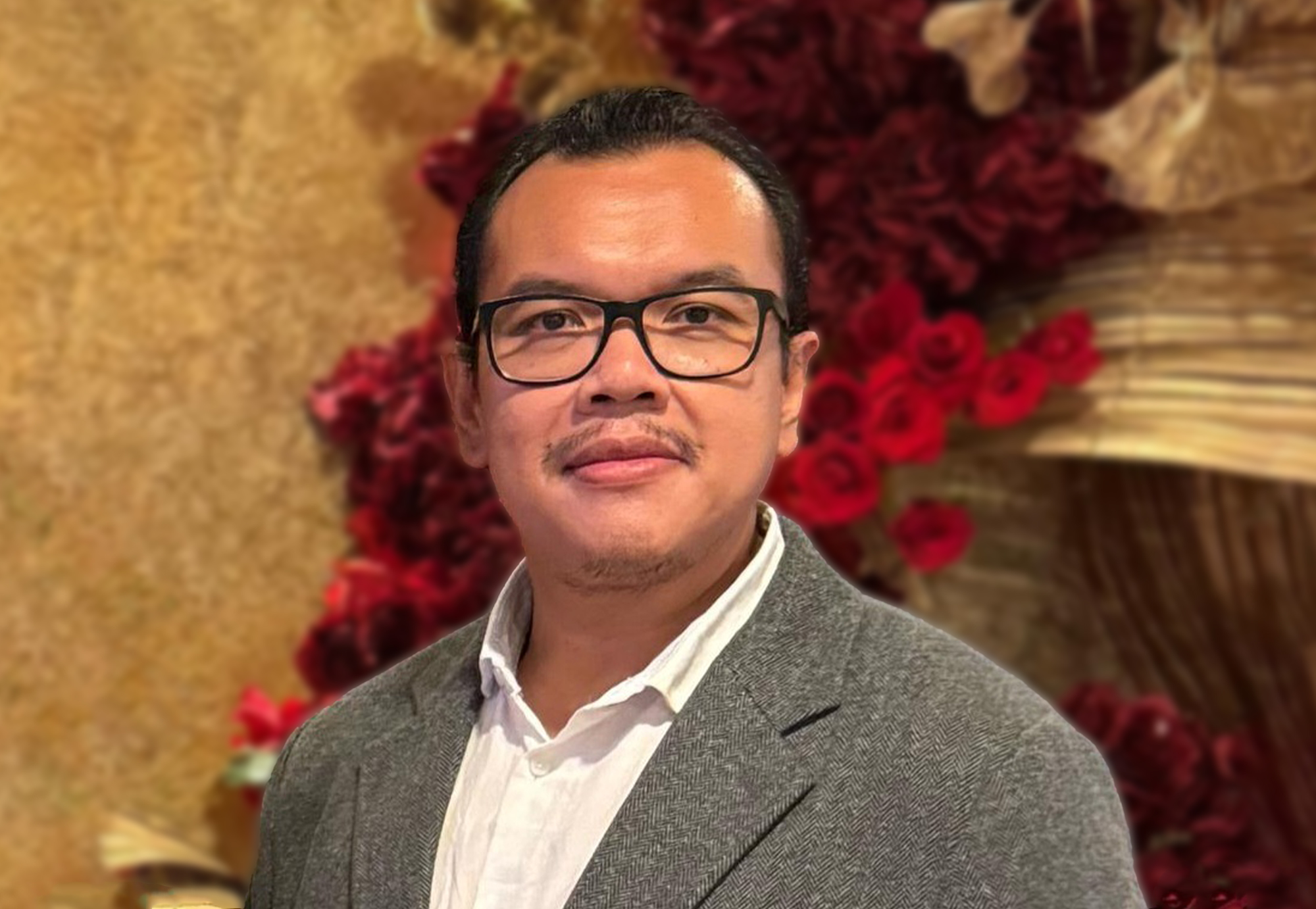
Sphinx Parlin Philips
Event Coordinator
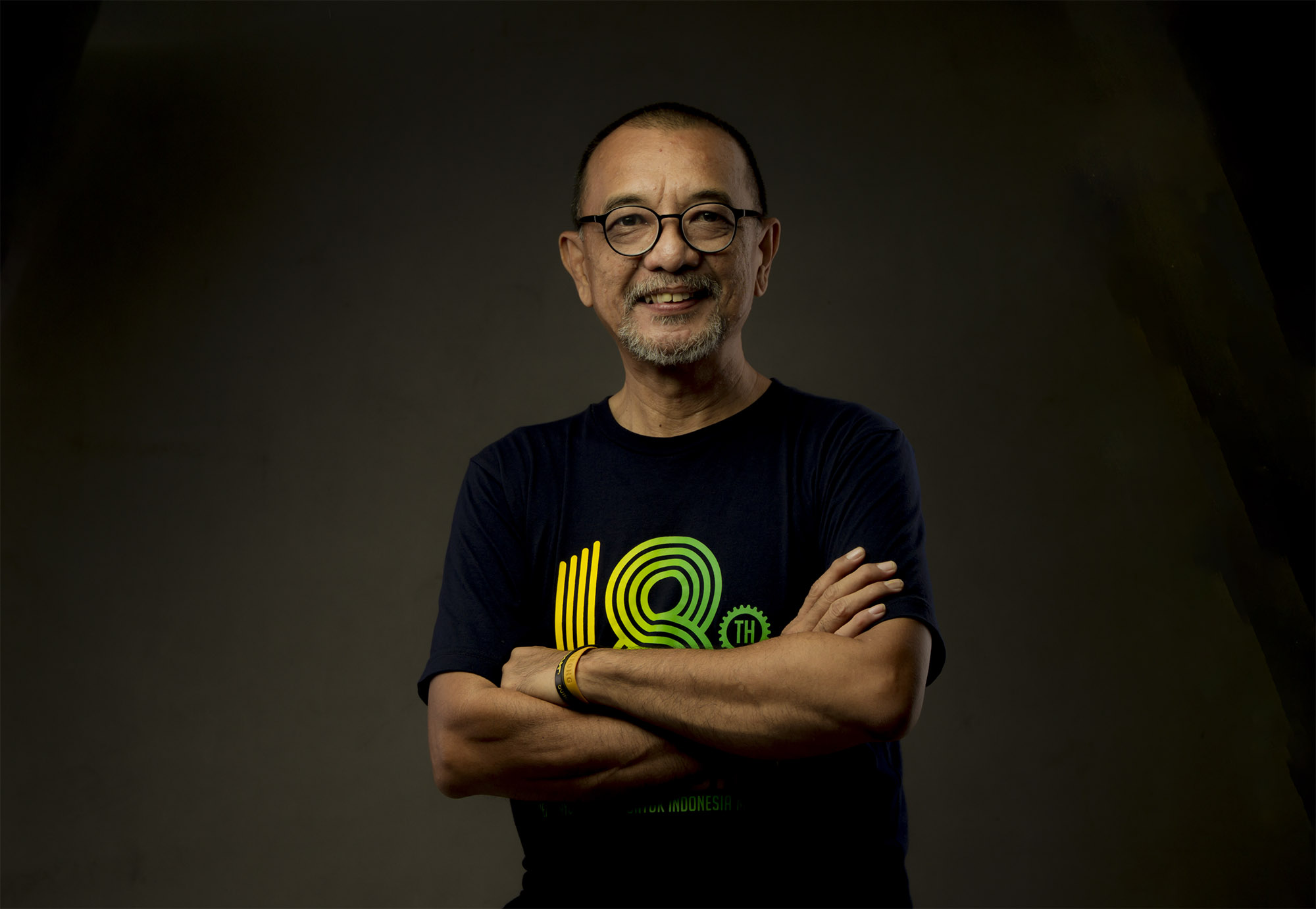
Afan Mendrofa
Community Coordinator
READY TO WORK WITH US
synergize and collaborate for efforts to overcome environmental ecosystem damage carried out by the government and the private sector in all sectors of the aquatic environment in throughout the territory of the Republic of Indonesia or globally.
Latest News
-
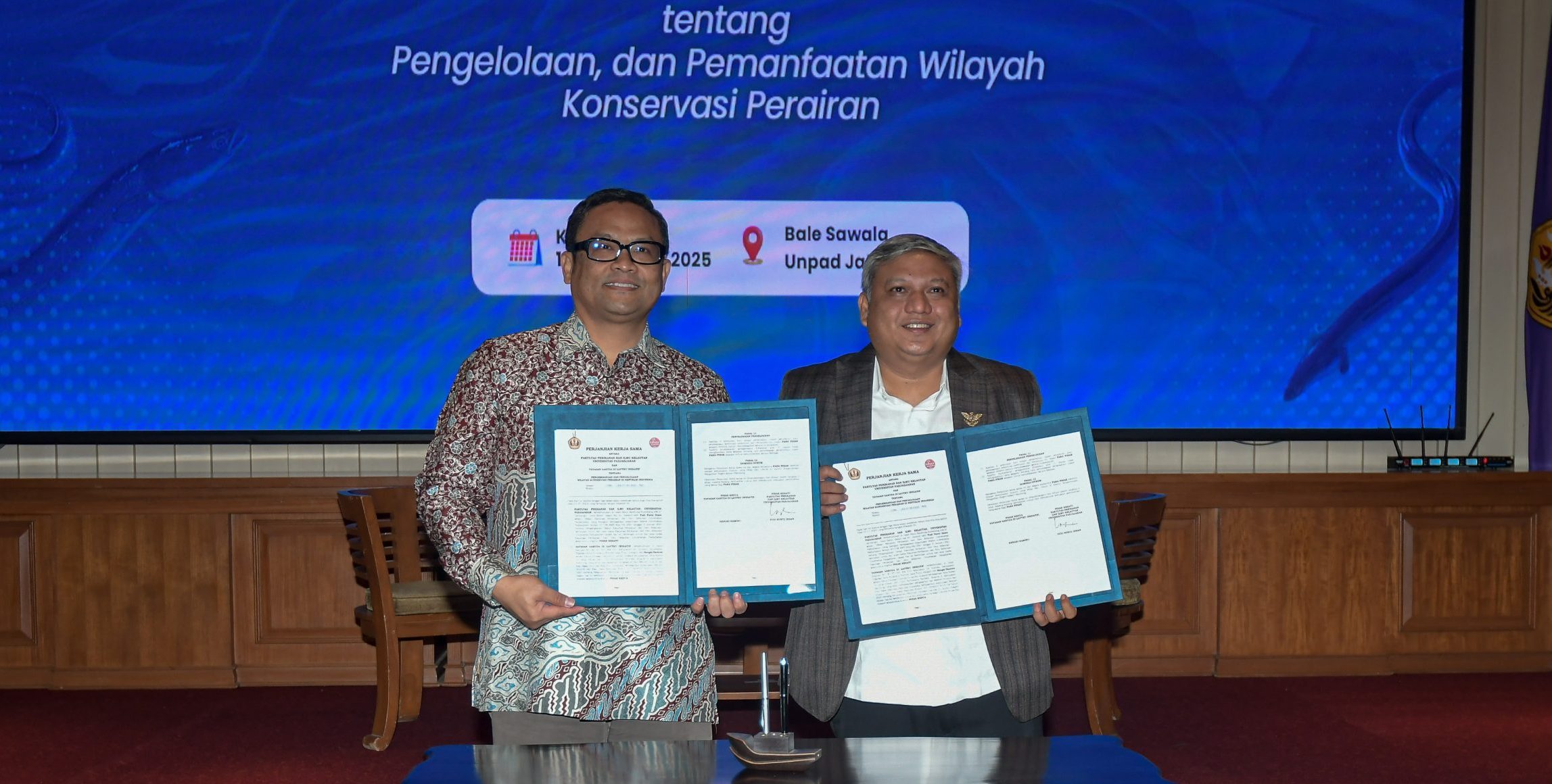
PADJADJARAN UNIVERSITY AND GARUDA DI LAUTKU INITIATIVE FORGE STRATEGIC PARTNERSHIP FOR MARINE CONSERVATION IN INDONESIA
Read more: PADJADJARAN UNIVERSITY AND GARUDA DI LAUTKU INITIATIVE FORGE STRATEGIC PARTNERSHIP FOR MARINE CONSERVATION IN INDONESIAJatinangor, 13 November 2025 — The Faculty of Fisheries and Marine Sciences at Universitas Padjadjaran (FPIK UNPAD) has officially signed a strategic cooperation agreement with the Garuda di Lautku Initiative Foundation to strengthen the development, management, and sustainable…
-
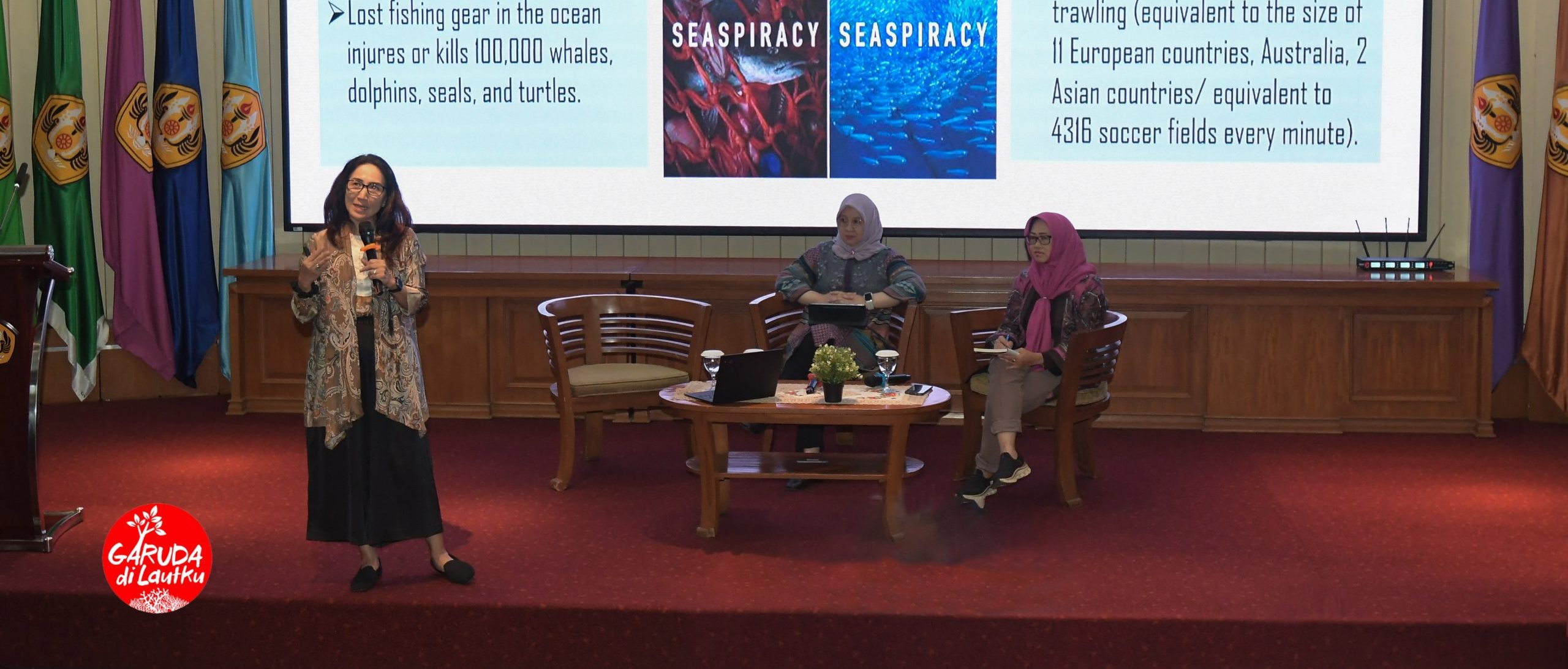
Strengthening Governance and Advancing the Blue Economy in Support of Sustainable and High-Value Fisheries
Read more: Strengthening Governance and Advancing the Blue Economy in Support of Sustainable and High-Value FisheriesTHE SEA THAT FEEDS, THE SEA THAT FADES Marine Protein and Global Fish Stock Status. The ocean plays a critical role in global food security, supplying over 17% of the world’s animal protein intake—a vital contribution to nutrition,…
-

STARVING IN THE MIDST OF PLENTY
Read more: STARVING IN THE MIDST OF PLENTYINDONESIA’S EEL FARMING PARADOX Jakarta, Indonesia — The tightening of international trade regulations under CITES has placed several high-value tropical blue food commodities particularly eel products under severe restriction, triggering a wave of bankruptcies among eel farming enterprises…
-
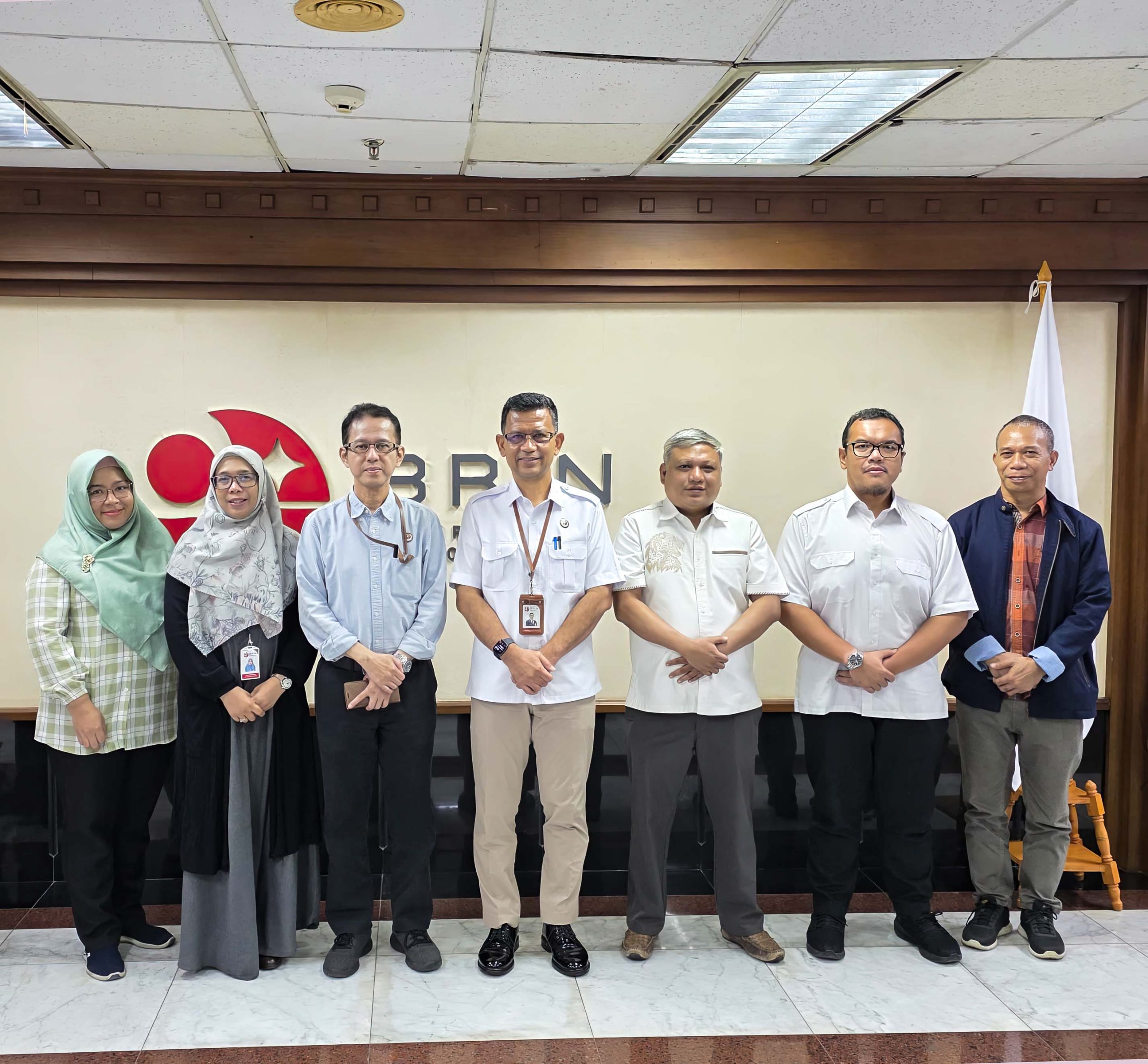
Engagement with BRIN’s Deputy Head
Read more: Engagement with BRIN’s Deputy HeadJakarta, On September 4, 2025, The Garuda Di lautku Inisiatif Foundation team held a high-level audience with Prof. Dr. Ir. Amarulla Octavian, Deputy Head of BRIN, at the BRIN Head Office, BJ Habibie Building – BPPT, Jakarta, to…